The Most Common Causes
There are few laundry day frustrations quite like opening the machine at the end of a cycle to find your clothes sitting in a puddle of water, heavy and completely unspun.
It’s one of the most common washing machine faults our appliance repair engineers get called out for, and the causes range from something you can put right yourself in two minutes to a mechanical fault that needs a professional repair.
The spin cycle isn’t just about convenience. It’s what removes the bulk of the water from your laundry before it goes anywhere near a tumble dryer or the airer, so when it stops working properly, everything downstream takes longer and costs more.
Some causes are simple, everyday issues that anyone can check and fix in moments. Others point to a genuine mechanical or electrical fault that will only get worse if it’s ignored.
Here are the most common reasons your washing machine won’t spin, and how to tell which type of problem you’re dealing with.
The Drum Is Overloaded
Every washing machine has a maximum load capacity, and pushing past it is one of the simplest explanations for a machine that won’t spin. When the drum is packed too tightly, the load can’t move and redistribute properly during the cycle, throwing the weight off balance.
Modern washing machines are fitted with safety systems designed to protect the motor and bearings. If the sensors detect an excessive or uneven weight, the machine will often stop the spin cycle altogether rather than risk damage.
Before assuming the worst, it’s always worth checking the basics first:
Reduce the load size and try a shorter spin cycle on its own
Check the machine’s manual for its maximum recommended load weight
Avoid mixing very heavy and very light items in the same wash
An Unbalanced Load
Even a load that’s well within the weight limit can cause spinning problems if it’s unevenly distributed. This is one of the most frequent reasons for a stalled spin cycle, and it’s rarely a sign of a fault with the appliance itself.
Certain items are particularly prone to bunching or clumping together as they wash, which throws the drum off balance:
Heavy towels, which absorb large amounts of water and clump together
Bedding and duvet covers, which can twist into a single dense mass
Single large items washed alone, such as a dressing gown or coat
If your machine repeatedly struggles with certain fabrics or item types, try washing bulky items with a couple of smaller items to help the load balance itself out.
The Door Isn’t Locking Properly
Washing machines rely on a safety interlock to keep the door securely shut throughout the wash and spin cycle. If this interlock isn’t engaging correctly, the machine’s control system won’t allow the drum to spin at all, regardless of how balanced the load is.
A faulty door lock can stem from a worn or broken locking mechanism, a damaged door catch, or a fault in the interlock’s electrical connection. In many cases, the machine will display an error code or the door will feel loose rather than snapping firmly shut.
This is a safety feature working as intended rather than a fault to try and bypass. If the door won’t lock securely, the machine needs to be looked at by an engineer who can identify whether it’s the catch, the interlock switch, or the wiring behind it.
Blocked Pump or Filter
A washing machine won’t spin water it hasn’t drained, and a blocked pump or filter is one of the most common reasons the drain cycle fails to complete. Buttons, coins, hair grips and general fluff can all find their way into the filter over time and restrict the flow of water.
When water isn’t draining properly, the machine’s sensors detect that there’s still water inside the drum and prevent the spin cycle from starting, both to protect the motor and to avoid an overflow.
Most machines have an accessible filter at the front base of the appliance that benefits from being checked and cleared every few months as part of routine maintenance. If the filter is clear and the problem persists, the blockage may be further into the pump or drain hose, which is best left to a qualified engineer.
Drive Belt Problems
On machines with a belt-driven motor, the drive belt connects the motor to the drum and is what actually makes the drum turn during both the wash and spin cycles. Over time, belts can wear, stretch, or slip off their pulley.
A slipping belt often causes intermittent or weak spinning, sometimes accompanied by a burning rubber smell as it struggles to grip. A belt that has snapped completely will usually mean the drum doesn’t turn at all, even though the motor itself is still running.
Common symptoms of a drive belt problem include a whining or squealing noise during the spin cycle, a drum that turns by hand more easily than it should, or a spin cycle that starts and then cuts out. Belt replacement is a straightforward job for a trained engineer.
Worn Motor Brushes (Older Machines)
Older washing machines with brushed motors rely on small carbon brushes to maintain electrical contact with the motor as it spins. Like any component that experiences constant friction, these brushes gradually wear down with use.
As the brushes wear, you’ll typically notice a gradual loss of power during the spin cycle, or spinning that becomes increasingly intermittent before stopping altogether. This is a natural part of an older machine’s lifecycle rather than a sudden fault, and replacement brushes are usually an affordable and worthwhile repair.
Faulty Motor
A more serious electrical fault with the motor itself will also stop a washing machine from spinning. This can include burnt windings inside the motor, damaged wiring, or a failure in the electrical connections that supply it with power.
Modern washing machines increasingly use inverter motors, which are more efficient and generally quieter than older brushed designs, but they’re a more complex electrical component when something does go wrong. Motor faults aren’t something to diagnose or attempt to fix without the right training, both for safety and to avoid causing further damage.
Control Board Problems
The control board is effectively the washing machine’s brain, sending the electronic signals that tell the motor, pump and locking mechanism when to activate. A fault here can prevent the spin programme from running correctly, even if every other component is in perfect working order.
Control board issues often show up as error codes on the display, a spin cycle that starts and then stops unexpectedly, or programmes that behave unpredictably. Because the board coordinates so many other parts of the machine, a professional diagnosis is essential before assuming a full replacement is needed.
Faulty Pressure Switch
The pressure switch (sometimes called a pressostat) is what tells the machine how much water is inside the drum. If this component fails, the machine can be tricked into believing water is still present even after the drum has fully drained.
Because the safety systems are designed to prevent spinning while water remains inside the machine, a faulty pressure switch will stop the spin cycle from starting at all, even though there’s nothing actually stopping the drum from turning.
Bearing Failure
The drum bearings allow the inner drum to rotate smoothly inside the outer tub. Over years of use, particularly in machines that see heavy or frequent use, these bearings can wear out or become damaged by water ingress.
Worn bearings are usually easy to identify by sound before they cause the machine to stop spinning altogether. A loud, grinding or rumbling noise during the spin cycle, along with excessive movement or play in the drum, are classic warning signs.
Bearing failure tends to be one of the more involved and costly repairs on this list, and on some machines it can affect the overall economics of repairing versus replacing the appliance, so it’s worth getting a professional opinion before committing to the work.
When Should You Stop Using the Washing Machine?
Most of the causes above are safe to leave until you can arrange a repair, but there are a handful of warning signs that mean you should stop using the machine straight away and call a professional:
A burning smell coming from the machine during any part of the cycle
Water leaking from the machine, particularly if it’s pooling near any electrics
Loud grinding, banging or rumbling noises that weren’t there before
Any sign of an electrical fault, such as sparking, tripped fuses, or a burning smell from the plug or socket
None of these signs mean the machine is beyond repair, but continuing to use it while a fault like this is present can turn a straightforward job into a much bigger one, or create a genuine safety risk.
Get Your Washing Machine Spinning Again
A washing machine that won’t spin is rarely something to panic about, but it is worth taking seriously. Simple issues like an overloaded or unbalanced drum can often be resolved in minutes, while mechanical and electrical faults need an experienced engineer to diagnose safely and correctly.
If your machine won’t spin and the simple checks haven’t worked, our team offers a dedicated washing machine repairs service, backed by our wider appliance repair service across Kent covering all major brands.
Autowash provides expert repair services for a wide range of essential household and commercial appliances, ensuring homes and businesses run smoothly and efficiently. We offer washing machine repairs to keep laundry days hassle-free and prompt solutions for tumble dryers to ensure quick drying. With expertise in dishwasher repairs, Autowash takes the stress out of daily cleaning routines as well as repairs for ovens, cookers and cooker hoods to maintain fully functional cooking setups. Then there are our refrigeration engineers to take care of all your fridge and freezer repair services.
CTA: Book a Washing Machine Repair
FAQs About Washing Machine Not Spinning
Why does my washing machine wash but not spin?
This usually means the wash cycle itself is working fine, but something is preventing the spin stage specifically, most often an unbalanced or overloaded drum, a door lock fault, a blocked filter preventing drainage, or a worn drive belt. Because the wash cycle relies on different components to the spin cycle, it’s entirely possible for one to work perfectly while the other fails.
Can I fix it myself?
Some causes, like an overloaded drum, an unbalanced load, or a blocked filter, are simple enough to check and resolve yourself. Anything involving the motor, drive belt, control board, or electrical components should be left to a qualified engineer, both for your safety and to avoid invalidating any warranty on the appliance.
Is an overloaded machine damaged?
Not usually. Modern washing machines are designed with safety systems that stop the spin cycle rather than force it to run and risk damage, so an overload is rarely something that causes lasting harm on its own. Reduce the load and run the spin cycle again, and the machine should return to normal.
Is it worth repairing?
In most cases, yes. Common faults like a drive belt, door lock or pump blockage are affordable, straightforward repairs. The exception tends to be bearing failure or a major motor fault on an older machine, where the cost of parts and labour can start to approach the cost of a new appliance, so it’s worth getting a professional quote before deciding either way.
Get in touch!
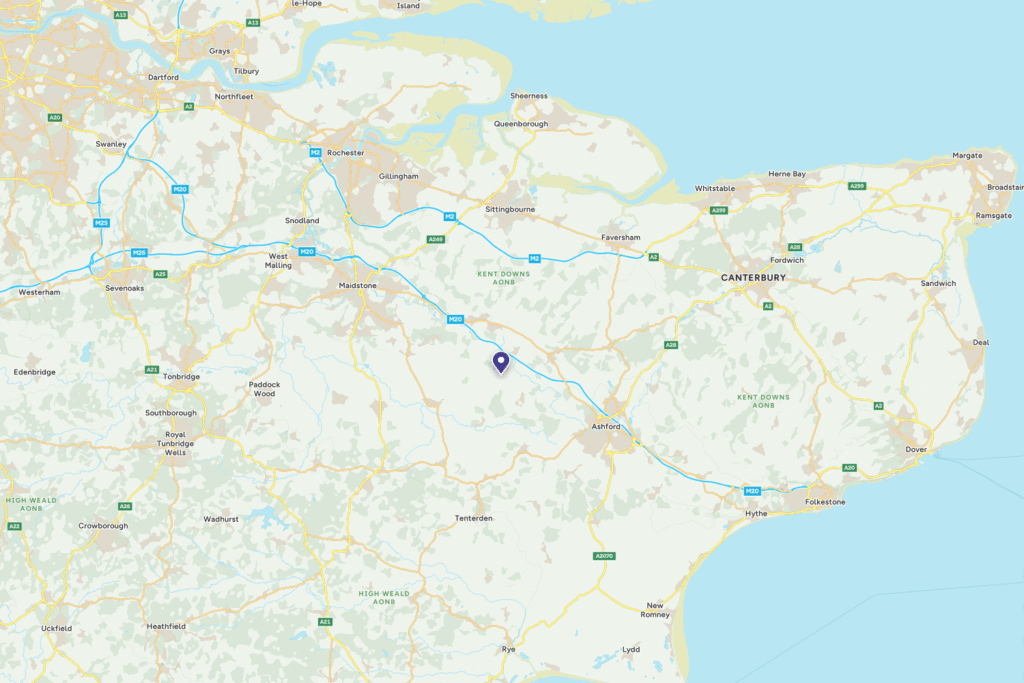
Autowash provides expert repair services for a wide range of essential household and commercial appliances across Kent, ensuring homes and businesses run smoothly and efficiently. Their team specialises in washing machine repairs to keep laundry days hassle-free and offers prompt solutions for tumble dryers to ensure quick drying. With expertise in dishwasher repairs, Autowash takes the stress out of daily cleaning routines as well as repairs for ovens, cookers and cooker hoods to maintain fully functional cooking setups. For cold storage, their fridge and freezer repair services ensure that food stays fresh and preserved.
Autowash works with all major appliance manufacturers to deliver high-quality repairs, and spares. For trusted and comprehensive support, Autowash is the go-to provider for appliance repair needs and sales.
Contact us today on 01795 424 337 or via our convenient online contact form. Autowash is here to assist with all your appliance repair needs, ensuring quick and reliable solutions across Kent.